Engaging Ways to Introduce Music to Kids
- Christie Dittmer

- Jul 17, 2025
- 4 min read
Music: A Joyful Part of Growing Up
Music isn’t just sound in the background—it’s potentially a powerful part of childhood that shapes how kids learn, feel, and connect with others. It sparks creativity, builds brainpower, and even helps with friendships. Best of all? Introducing kids to music can be simple, fun, and incredibly rewarding.
Let’s explore why music matters and how you can make it part of everyday life in easy, enjoyable ways.
Why Start Music Education Early?
The earlier kids experience music, the bigger the benefits! Research shows that children involved in music tend to do better in academics—especially in math and reading. That’s because music strengthens memory, boosts focus, and even helps develop emotional intelligence.
But music education isn’t about drilling notes and rhythms—it’s about giving your child tools for expression and discovery. And you don’t need fancy lessons to make it happen.

Make Early Music Activities Fun
Kids learn best when they can get involved. So, here are some fun and interactive music activities you can do with your children:
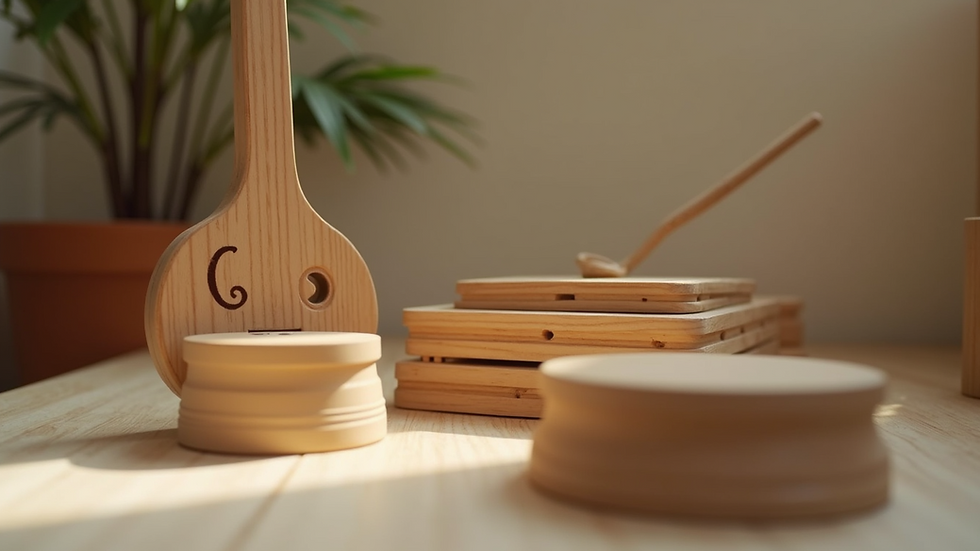
Instruments: You don’t need a grand piano to make music happen! Start with simple instruments like rhythm sticks, or maracas. Kids love exploring sounds and creating their own beats. Even pots and pans can become a percussion set for an afternoon jam session! Or get creative by making simple musical instruments. Fill containers with different grains to create shakers or use rubber bands on a box to create a simple twangy guitar. This hands-on approach will help children learn about sound production.
Singing Together: Make song time a regular activity. Choose age-appropriate songs that the kids enjoy and encourage family sing-alongs. Singing also presents a meaningful way to engage with faith and worship, if these are part of your family's culture. You can also introduce songs with educational content, such as those found in children's music series.
Music Games: Engage kids with online music games and apps that teach rhythm, melody, and composition in a playful manner.
Explore Different Music Genres
Deepen your kids' engagement and appreciation by enjoying various music genres with your kids. Each genre has its unique style, rhythm, instrumentation, and emotional response. Here are some genres to explore:
Classical: Play famous compositions by Beethoven or Mozart, encouraging kids to listen for different instruments and the changes in dynamics.
Jazz: Introduce the improvisation aspect of jazz by listening to artists like Louis Armstrong, Charlie Parker, and Thelonious Monk. Encourage kids to make their own melodies and rhythms.
Pop: Incorporate contemporary pop songs that resonate with their interests. Discuss the lyrics and what the song means to them.
Folk: Teach them about their cultural heritage through folk music. Share stories behind songs and the instruments used.
Visiting local music festivals or orchestra concerts or watching live performances online can further expose kids to different types of music and also make some wonderful family memories. In our family, music is a significant element of most of our best memories!
Music and Movement: The Power of Dance
Combining music with movement helps nurture physical and coordination skills. Dance also heightens musical understanding and fosters creativity. Here are some fun ways to incorporate movement into your music activities:
Simple Choreography: Teach kids a few dance moves that go along with their favorite songs.
Freeze Dance: This game can be very entertaining. Just play some music your kids enjoy and dance together. Then, pause the music and freeze until you restart it. This activity encourages quick thinking and agility.
Dance Routines: Consider joining a dance class together or making up your own dance to a favorite song. Dance styles such as ballet, hip-hop, or jazz can provide a structured way to explore movement through music.
Create a Family Dance Playlist: Create a playlist of upbeat songs and have regular dance-party sessions in the living room. This creates a lively atmosphere that everyone can enjoy. Connecting physical movement to listening really helps children internalize elements of music. Without even realizing they are learning, children are experiencing music's rhythm, steady beat, lyricism, and dynamics. A family dance party is also a great way to release some energy in preparation for a more focused activity, such as a homeschool math lesson.
Encourage Structured Instrument Lessons
Of course, learning to play an instrument is a fantastic way to engage with music. Where your child's interest, access to an instrument, and available teachers intersect, it's great to dive in to instrument study.
Final Thoughts on Music Education
Music education opens doors for children, enhancing their creativity and emotional intelligence. Engaging kids with diverse musical experiences encourages them to develop a lifelong appreciation for music. By integrating music into everyday life, exploring various genres, encouraging instrument play, and combining music with movement, you set the stage for an musical journey that enriches your whole family.
Fostering an early interest in music can positively influence children in countless ways, creating joyful memories and lasting skills and enjoyment that they will carry into adulthood. So, why not start today?
Happy listening!


Comments