What to Do If Your Child Wants to Quit Music

At some point, many parents hear the words:
“I want to quit music.”
Whether your child takes piano lessons, violin lessons, or another instrument, this moment can feel discouraging. You’ve invested time, money, and emotional energy — and now it seems to be unraveling.
But here’s something important to understand:
Most children want to quit music at some point.
That does not automatically mean they should.
Before canceling lessons, it’s wise to pause and evaluate what is really happening.

Why Children Want to Quit Music Lessons
Not all resistance is the same. If your child wants to quit music lessons, the cause typically falls into one of four categories.
1. Temporary Frustration
Music is cumulative. As skills increase, so does difficulty. A new technique, a challenging piece, or an upcoming recital can trigger discouragement.
This kind of frustration is not failure. It is often growth in progress.
If your child wants to quit because something suddenly became harder, quitting may interrupt development at exactly the moment perseverance is forming.
2. Lack of Listening Culture
One overlooked reason homeschool music lessons fail is that practice and performance are happening without listening and enjoyment.
If a child rarely hears beautiful music at home, lessons can feel mechanical — like decoding symbols rather than making meaningful sound.
Music education thrives when children regularly hear, enjoy, and internalize the kind of music they are learning to play.
3. Overscheduling
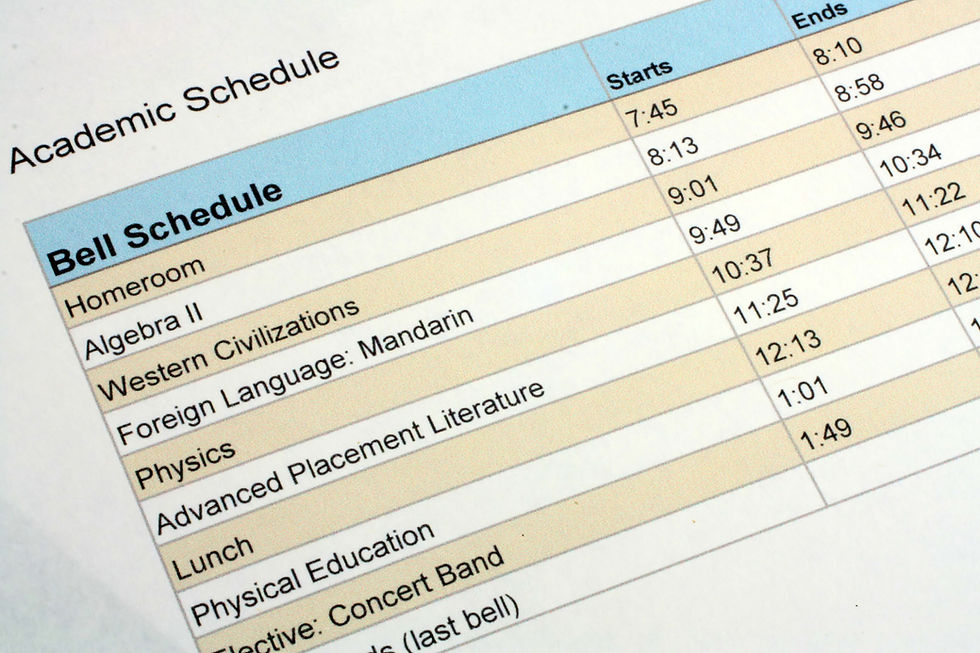
In many homeschool families, music competes with sports, co-ops, church activities, and academics.
When children are exhausted, resistance often shows up in one area first — frequently music practice.
Before assuming your child hates music, examine the overall rhythm of your home. Consider whether there may be too much on your child's plate. Might there be one or two things that could come off - things that aren't bringing benefits that make them worth the sacrifice required to pursue them?
4. True Mismatch
Occasionally, an instrument or teacher genuinely is not a good fit.
This is less common than parents assume, but it does happen. Personality conflicts, inappropriate pacing, or starting an instrument too early can create persistent discouragement.
The key in these cases is discernment — not rash reaction.
Should You Let Your Child Quit Piano or Music Lessons?
Parents often swing toward one of two extremes:
“Fine, if you don’t like it, we’ll stop.”
-or-
“You made a commitment. You’re not quitting.”
Neither is ultimately wise.
Instead, here are some better questions:
What feels hardest right now?
When did this start feeling so difficult?
Do you dislike the instrument — or practicing?
Would shorter practice sessions help?
Is there something else in the schedule we could let go so you have more freedom to enjoy music?
Often, children want relief from frustration — not permanent resignation.
When Should You Encourage Sticking It Out?
Consider not allowing your child to quit if:
Lessons have only recently begun
The frustration is tied to a new challenge
Resistance appeared after a difficult assignment
No structural adjustments have been tried.
Learning to persist through manageable difficulty builds discipline, attention, and resilience.
If quitting becomes the default response to challenge, that pattern is likely to extend beyond music.
Music can be one of the safest places to learn perseverance.
When Might It Be Time to Step Back?
There are situations where pausing or adjusting music lessons is wise:
Persistent dread over many months
A clear personality clash with the teacher that obstructs learning
Chronic over-scheduling
Strong evidence of instrument mismatch.
Stepping back does not mean abandoning music permanently. It may mean:
Switching teachers
Trying a different instrument
Reducing lesson frequency
Pausing formal lessons while continuing listening at home
The goal is formation — not rigidity. This challenge provides an opportunity to strive to find what works. This process teaches the important life skill of acknowledging difficulty and addressing it, making adjustments that improve a situation rather than remaining in it and feeling stuck.
A Practical Two-Week Reset Plan
Before making a final decision, try this simple reset:
Shorten practice sessions temporarily.
Increase intentional listening at home.
Speak positively about effort rather than talent or achievement.
Often, small structural changes reduce resistance significantly.
The Bigger Vision of Music Education
If music lessons exist only for enjoyment, quitting makes sense whenever enjoyment dips.
But if music education is about formation — cultivating attention, discipline, listening, patience, and expressive judgment — then moments of difficulty carry meaning.
The central question is not:
“Is this hard?”
It is:
“Is this the kind of hard that builds strength?”
Most adults who persevered through music lessons, even imperfectly, are grateful they did.
Your role as a parent is not to eliminate difficulty.
It is to guide your child through it wisely.
Frequently Asked Questions
Is it normal for kids to want to quit music?
Yes. Temporary resistance is common, especially during skill transitions.
How long should I require my child to continue music lessons?
There is no universal timeline, but meaningful growth usually requires sustained effort beyond the initial novelty stage.
Should homeschoolers handle music differently?
Homeschool families have unique flexibility — but also unique scheduling pressures. Thoughtful rhythm and clear purpose are especially important.
Final Encouragement
Music education unfolds slowly. It strengthens the mind and character in ways that are not always immediately visible.
Before you let your child quit music, pause.
Diagnose carefully.
Adjust wisely.
Lead calmly.
Perseverance, when guided with wisdom, often produces more than musical skill — it forms character.
Happy learning!



Comments